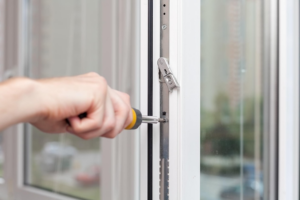
Why Is House Window Lock Repair So Popular?
How to Repair a House Window Lock: A Comprehensive Guide
Home window locks are essential for ensuring the security and comfort of a home. Nevertheless, over time, these locks can end up being worn out, jammed, or otherwise inefficient. Whether due to age, weathering, or unintentional damage, a malfunctioning window lock can be a considerable inconvenience and a possible security danger. This article provides a comprehensive guide on how to repair typical window lock concerns, making sure that homeowners can preserve the integrity of their windows and the security of their homes.
Typical Issues with Window Locks
Before diving into the repair process, it's important to comprehend the common problems that can arise with window locks:
- Jammed or Stuck Locks: This is among the most regular problems. The lock may become difficult to turn or may not engage at all.
- Damaged Components: Over time, the internal parts of the lock can wear down, leading to reduced performance.
- Rusted or Corroded Parts: Exposure to the elements can trigger rust and corrosion, making the lock hard to operate.
- Broken or Missing Parts: Accidental damage or wear and tear can lead to broken or missing parts.
- Misaligned Locks: The lock system might end up being misaligned, avoiding it from latching correctly.
Tools and Materials Needed
To repair a home window lock, you will need the following tools and materials:
- Screwdriver Set (Phillips and flathead)
- WD-40 or lubricant
- Replacement Parts (if necessary)
- Pliers
- Silicone Grease
- Allen Wrenches (if your lock requires them)
- A Small Brush
- A Clean Cloth
Step-by-Step Guide to Repairing a House Window Lock
1. Identify the Problem
The first action in any repair process is to determine the particular concern with your window lock. Here are some common symptoms and their most likely causes:
- Symptom: The lock is stuck and won't turn.
- Possible Causes: Dirt or particles in the lock, rust or deterioration, damaged components.
- Sign: The lock turns however does not engage.
- Possible Causes: Misaligned lock mechanism, damaged parts.
- Sign: The lock is loose or wobbly.
- Possible Causes: Loose screws, damaged frame.
2. Clean the Lock
Before proceeding with any repairs, it's vital to clean up the lock to eliminate any dirt, debris, or rust that might be triggering the problem.
- Eliminate the Lock: If possible, get rid of the lock from the window frame. This will provide you much better access to clean the internal parts.
- Dismantle the Lock: Use a screwdriver to disassemble the lock, taking care to keep an eye on all the parts.
- Tidy the Parts: Use a little brush and a clean fabric to eliminate any dirt or debris. For rust or corrosion, use a rust eliminator or a vinegar service and scrub gently.
- Oil the Parts: Once the lock is tidy, apply a light coat of lube like WD-40 or silicone grease to the internal elements. This will assist the lock move efficiently.
3. Examine and Replace Worn-Out Components
After cleansing, inspect the lock elements for wear and tear. If any parts are broken or damaged, they will need to be replaced.
- Recognize Worn-out Parts: Common damaged parts include the lock cylinder, spring, and locking mechanism.
- Purchase Replacement Parts: Visit a regional hardware store or online merchant to find the proper replacement parts for your lock model.
- Replace the Parts: Follow the manufacturer's guidelines to install the brand-new parts. If you're unsure, consider consulting a professional locksmith.
4. Line Up the Lock Mechanism
If the lock turns however does not engage, it might be misaligned. Here's how to realign it:
- Check the Strike Plate: Ensure that the strike plate (the metal piece on the window frame that the lock latches into) is correctly aligned with the lock.
- Adjust the Strike Plate: If the strike plate is misaligned, use a screwdriver to adjust it. You may need to remove the screws, reposition the strike plate, and reattach it.
- Check the Lock: Reattach the lock and test it to guarantee it latches effectively.
5. Tighten Loose Screws
If the lock is loose or shaky, it may be because of loose screws. Here's how to tighten them:
- Locate the Screws: Identify the screws that secure the lock to the window frame.
- Tighten up the Screws: Use a screwdriver to tighten up the screws. If window lock technician are removed, you might need to replace them with bigger or longer screws.
- Evaluate the Lock: Ensure that the lock is safe and runs efficiently after tightening the screws.
6. Reassemble and Test the Lock
As soon as you have cleaned, replaced, and changed the necessary components, it's time to reassemble the lock and test it.
- Reassemble the Lock: Put the lock back together in the reverse order of disassembly. Ensure all parts are properly lined up and secured.
- Reattach the Lock: If you eliminated the lock from the window frame, reattach it utilizing the screws and pliers.
- Test the Lock: Open and close the window several times to ensure the lock engages and disengages smoothly. Check for any additional concerns.
FAQs
Q: Can I repair a window lock myself?
A: Yes, many common window lock concerns can be repaired with standard tools and a little perseverance. Nevertheless, if the issue is complex or if you are uncertain of the steps, it's best to consult a professional locksmith professional.
Q: How frequently should I lube my window lock?
A: It's a great concept to oil your window lock every 6 months to a year, depending on the frequency of use and the environmental conditions. This will assist avoid rust and make sure smooth operation.
Q: What should I do if the lock is still not working after cleaning and lubricating?
A: If the lock is still not working after cleaning and lubricating, the concern may be more severe. Check for worn-out or broken parts and replace them as needed. If the issue persists, consider calling a professional locksmith.
Q: Can I utilize regular oil to lube the lock?
A: It's not suggested to use regular oil on window locks as it can attract dirt and trigger more problems. Rather, utilize a specialized lube like WD-40 or silicone grease, which are designed to keep locks tidy and moving efficiently.
Q: What should I do if the lock is jammed and I can't remove it?
A: If the lock is jammed and you can't eliminate it, you might need to use a lock choice or a small flathead screwdriver to gently pry it open. Beware not to harm the lock or the window frame. If you're not comfortable doing this, call a locksmith professional for help.
Keeping the functionality of your house window locks is essential for both security and convenience. By following the steps outlined in this guide, house owners can address typical issues and guarantee their windows stay safe and secure. Routine cleansing and lubrication, along with prompt replacement of damaged parts, can extend the life of your window locks and keep your home safe and comfortable. If you come across more complicated concerns, don't think twice to seek professional aid.
By taking a proactive approach to window lock maintenance, you can prevent the hassle and expense of changing the entire window, and take pleasure in comfort knowing that your home is well-protected.